

Ulnar Nerve Entrapment In Both Arms: Causes, Relief, And Workstation Fixes

It starts as a whisper, a fizzing numbness along your ring and little fingers as you code, edit, or balance one last spreadsheet. If you've felt that telltale tingle in both hands, you may be dealing with ulnar nerve entrapment both arms. You're not broken: your setup and habits are. The good news: small, targeted changes, and the right ergonomic devices, can calm the nerve, protect your hands, and keep your work flowing.
What It Is And Why Both Arms Are Affected

Ulnar nerve entrapment both arms means the ulnar nerve is being irritated on each side, often at the elbow (cubital tunnel) and sometimes at the wrist (Guyon's canal). When both arms flare, the cause is usually symmetric: similar desk postures, the way you sleep, or how you hold a phone or wheel.
Anatomy 101: Cubital Tunnel And Guyon's Canal
The ulnar nerve rides behind the inner elbow in a groove called the cubital tunnel. Bend your elbow and the tunnel tightens: lean on it and you add pressure. At the wrist, the nerve passes through Guyon's canal near the heel of your hand (ulnar side). Compression at the elbow tends to affect the ring and little fingers and sometimes the forearm: compression at the wrist targets the hand and fingers and often spares the back of the hand.

Mechanics That Irritate The Nerve: Flexion, Pressure, And Traction
The nerve dislikes three things: prolonged flexion, direct pressure, and traction. Long stretches with elbows bent (typing, phone use, late-night Netflix) reduce blood flow. Resting elbows on a hard desk, armrests, or handlebars adds compression. Reaching forward while the elbows stay flexed, grabbing a distant mouse or stretching to a wide keyboard, adds traction.
Why It Happens In Both Arms: Setup Symmetry, Habits, And Sleep Positions
Bilateral symptoms often follow bilateral behaviors. A wide keyboard plus an offset mouse can keep both elbows bent and out from your sides. Side-sleeping with both elbows tucked, driving with hands at the top of the wheel, or phone-in-bed scrolling puts both nerves under the same daily stress. Fix the symmetry, and both arms usually calm down.
Symptoms And When To Seek Care

The hallmark of ulnar nerve entrapment both arms is numbness or tingling in the little and ring fingers, often worse at night or when your elbows are bent. Weakness can follow if irritation persists.
Typical Desk-Related Symptoms: Ring/Little Finger Numbness, Weak Grip, Night Pain
Look for pins and needles in the ring and little fingers when you type, hold your phone, or rest on your elbows. You might notice a clumsy grip on coffee mugs, missed key presses, or dropping small items. Night pain that wakes you when you curl your arms is classic. Forearm aching near the inner elbow or ulnar-side wrist tenderness can tag along.
Differentiating From Carpal Tunnel And Neck Referred Pain
Carpal tunnel targets the thumb, index, middle, and half of the ring finger, usually not the little finger. If your little finger is involved, think ulnar, not median nerve. Neck or nerve root issues often add neck/shoulder pain, broader arm symptoms, or weakness beyond the ulnar distribution. Bilateral, finger-specific symptoms that worsen with elbow bend point back to the elbow.
Red Flags: Progressive Weakness, Wasting, Severe Night Pain, Or Trauma
Seek prompt care if you notice progressive hand weakness, visible muscle wasting between the knuckles, constant numbness that doesn't ease, severe night pain, or symptoms after a fall or collision. These signs may require faster workup with nerve tests or imaging. This article is general information and not a substitute for an in-person exam.
Early Relief You Can Start Today

First wins come from reducing elbow bend and pressure while keeping workflow intact. Small, specific changes add up across a long workday.
Activity Modification: Reduce Elbow Flexion And Prolonged Pressure
Keep elbows looser. Uncurl your arms when reading, watching, or in meetings. Hold your phone at chest level with elbows closer to 45–90 degrees instead of tucked tight. Pad any hard edges your forearms contact. Skip leaning on elbows during calls or deep-focus sprints.
Microbreaks, Pace, And Work-Rest Cycles
Every 20–30 minutes, straighten both elbows, open the hands, and shake out for 10–15 seconds. Stand for two minutes on the hour. Batch keyboard work, then switch to reading or review to vary joint positions. Your nerves prefer rhythm, not marathons.
Gentle Ulnar Nerve Glides And Mobility Cues
Try gentle ulnar nerve glides if they don't increase symptoms: shoulder relaxed, elbow flex and extend, wrist moving lightly into and out of extension with the fingers easy, not forced. Keep sensations under a 3/10. If it zings sharply or lingers, back off and consult a clinician. You can also reference a structured routine in ulnar nerve release exercises: gentle glides, smart setup, lasting relief.
Night Positioning: Light Elbow Splints And Pillow Support
Night is prime time for irritation. Use a soft towel wrap or light elbow splint to keep each elbow around 30–45 degrees of flexion. Hug a pillow to stop full curling. Side sleepers: place a pillow between arms to prevent pressure at the wrists and elbows.
Workstation Changes For Bilateral Ulnar Relief
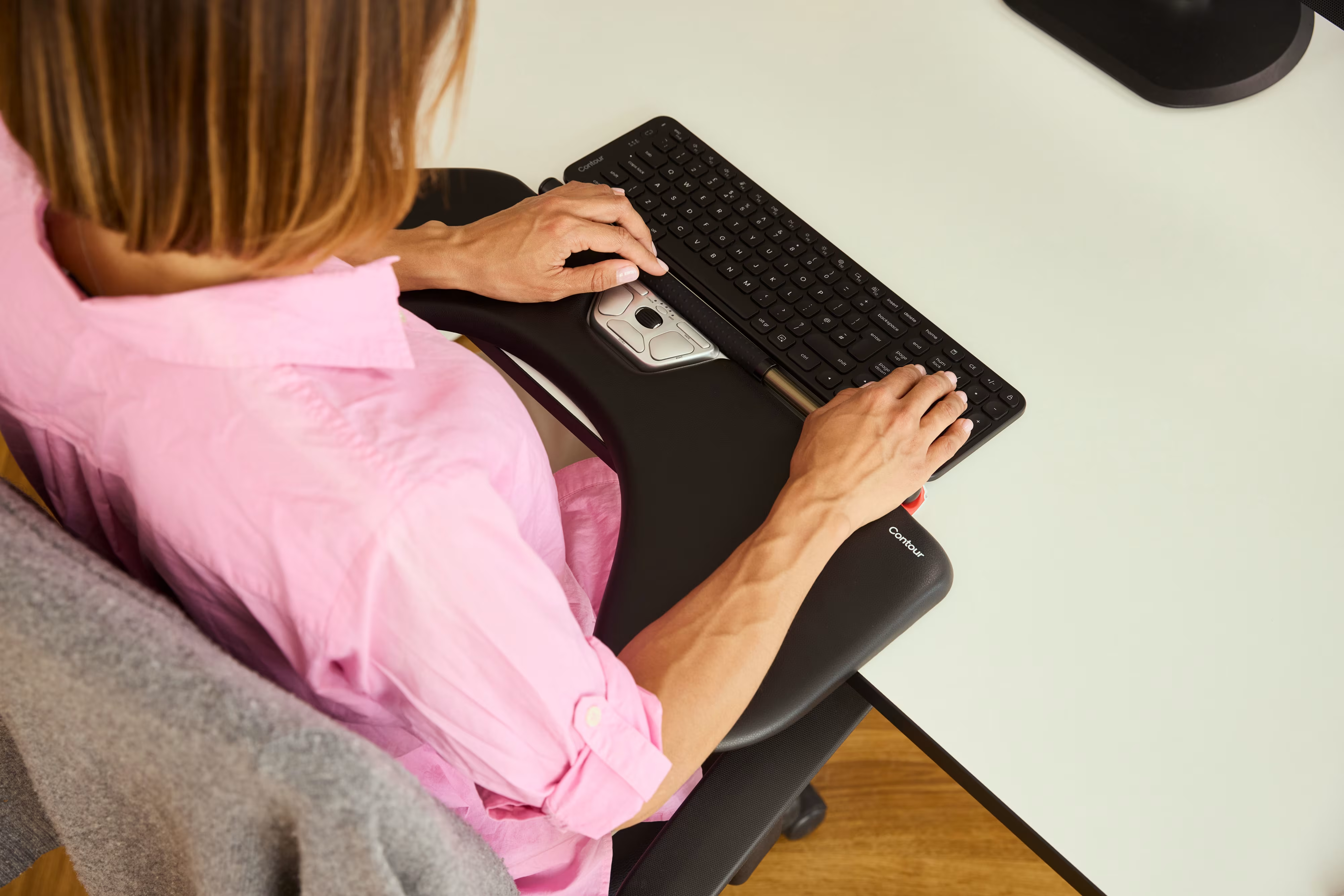
Your setup can either provoke or protect. Center your pointing, narrow your keyboard, support your forearms, and tune force and sensitivity to reduce strain on both ulnar nerves.
Centered Pointing To Minimize Reach And Ulnar Deviation
Keep control in front of you. A centered device reduces reach, elbow bend, and wrist ulnar deviation. The Contour RollerMouse collection sits between you and the keyboard, so you control the cursor with light finger movements, no reaching, twisting, or gripping. For a touchpad-like feel, the SliderMouse Pro offers central, low-force control that keeps both elbows close and relaxed.
Keyboard Setup: Narrow Footprint, Neutral Wrist, Low Force Keys
A compact, straight keyboard keeps the mouse centered and your elbows near your body. The Balance Keyboard pares down reach and pairs cleanly with RollerMouse. Keep wrists neutral, no side bend toward the pinky. If you need a numpad, choose a separate one you can park between tasks.
Forearm Support And Elbow Angle: 90–110 Degrees, No Hard Edges
Set chair height so shoulders stay down and forearms float level. Aim for elbows at 90–110 degrees with forearms supported by desk or armrests that meet the desk height. Add a soft edge, desk pad or palm support, to remove pressure from the cubital tunnel. Avoid sharp desk fronts.
Low-Grip Cursor Control And Sensitivity Tuning
High pointer sensitivity means less elbow flexion and fewer large reaches. Whether you use RollerMouse, SliderMouse Pro, or UniMouse, tune DPI so small finger moves traverse the screen. Use low-click-force buttons and short throw scroll to reduce cumulative load.
Monitor Height And Chair Fit To Unload Shoulders
Top of the screen near eye level. Sit close enough that you don't crane forward. Feet grounded, hips slightly open, lumbar supported. When shoulders relax, elbows follow, and the ulnar nerve gets a break.
Medical Diagnosis And Treatment Options
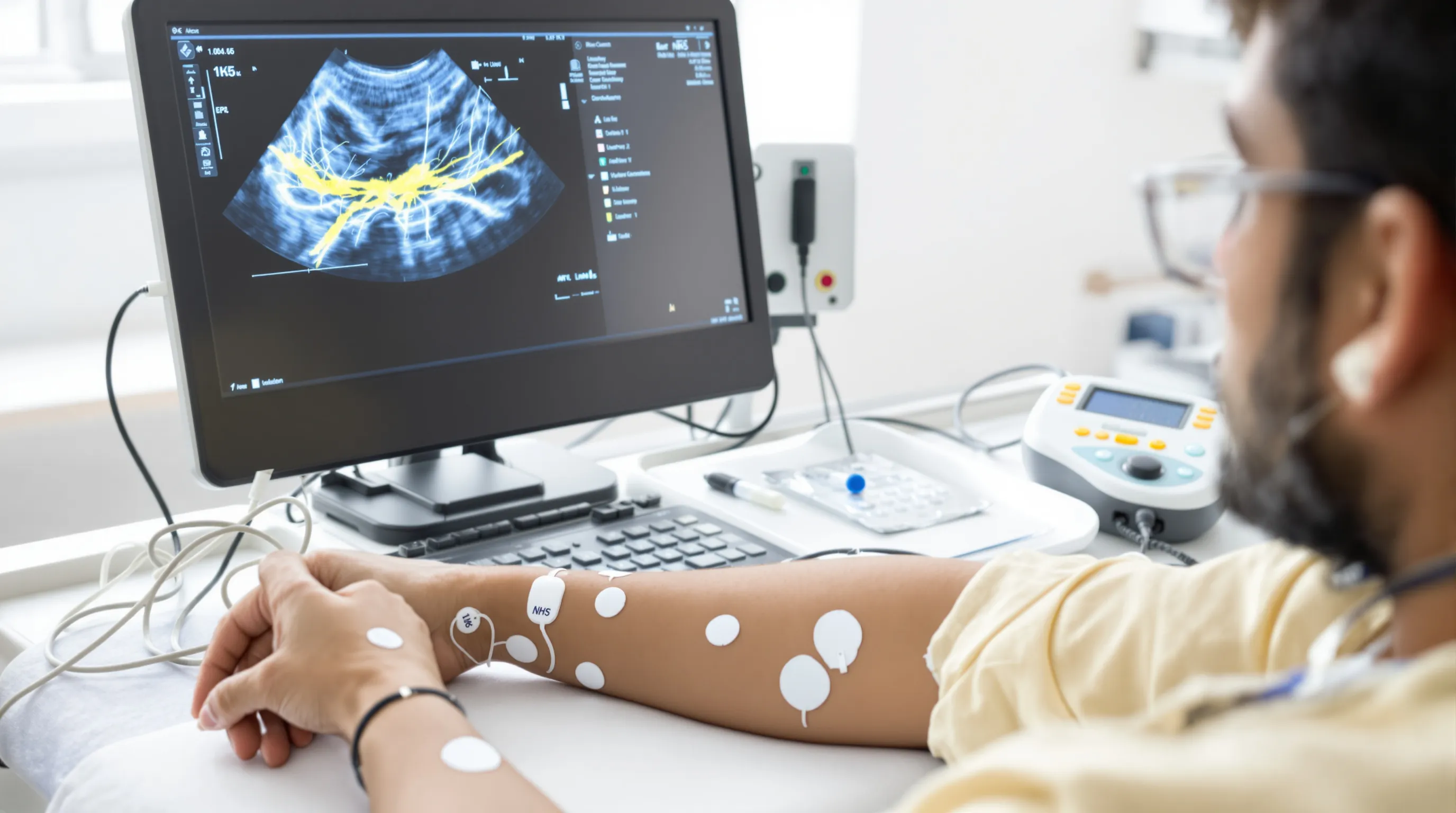
When ulnar nerve entrapment both arms persists, targeted care speeds recovery and prevents weakness. A clinician can localize the compression and grade severity.
Clinical Exam And Tests: Ultrasound, Nerve Conduction Studies
Expect a focused exam: sensation, strength, and tap tests at the elbow and wrist. Nerve conduction studies and EMG measure signal speed and muscle activation to pinpoint compression and gauge severity. Ultrasound can visualize the nerve, movement with elbow flexion, and sites of entrapment.
Conservative Care: Education, Physiotherapy, Bracing, Anti-Inflammatories
Most mild-to-moderate cases improve with activity changes, night bracing, and physiotherapy. Therapists coach posture, nerve glides, and strength for shoulder stabilizers and forearm muscles. Short courses of NSAIDs may help if appropriate for you. The goal: reduce irritation, restore glide, and protect function while you keep working.
Procedures And Surgery: Injections, Decompression, Recovery Timelines
Selected wrist compressions (Guyon's canal) may respond to a steroid injection. Persistent or severe elbow cases may need surgical decompression or anterior transposition to move the nerve to a lower-pressure path. Recovery is measured in weeks to months: long-standing weakness can take longer and may not fully normalize. Plan a graded return with your clinician.
References for further reading: "Cubital Tunnel Syndrome," OrthoInfo, American Academy of Orthopaedic Surgeons, "Ulnar Nerve Entrapment," Cleveland Clinic, 2023.
Prevention And Return-To-Work Strategy
Safeguard your hands with gradual load, smart tracking, and durable habits. The north star: fewer hours with elbows tightly bent and less pressure at the elbow and ulnar wrist.
Gradual Load Progression And Task Rotation
Increase keyboard and mouse time in 10–15 percent increments per week after a flare calms. Rotate tasks every 30–60 minutes, code, then review: edit, then export: reconcile, then plan. Mix input methods: central pointing plus keyboard shortcuts to diversify movement.
Track What Matters: Symptoms, Time In Flexion, Break Frequency
Log when symptoms appear, what you were doing, and how bent your elbows were. Count breaks, not just hours worked. Trends will reveal your triggers and best windows for focused work.
Sustainable Habits: Stretching, Strength, Sleep, And Device Maintenance
Keep a simple routine: shoulder blade sets, gentle forearm stretches, and light grip work, 3–4 days a week. Sleep with elbows lightly open and wrists free of pressure. Maintain your gear, replace worn palm supports, keep sliders clean, and review your chair height quarterly. Choosing durable tools helps too: RollerMouse, SliderMouse Pro, UniMouse, and Balance Keyboard are built to last, with replaceable parts where it counts. Better for you, better for the planet.
.avif)
Conclusion
Long hours at a computer don't have to mean numb fingers or restless nights. Address the real irritants behind ulnar nerve entrapment both arms: elbow flexion, pressure, and reach. Center your pointing, narrow your keyboard, support your forearms, and keep force low. If symptoms persist or you notice weakness, book an evaluation, earlier is better. Contour devices are designed to help you stay comfortable, aligned, and in control while you heal and beyond. Find your fit. Work miracles.
Key Takeaways
- Ulnar nerve entrapment both arms usually stems from symmetric habits—prolonged elbow flexion, direct pressure, and reach/traction during work and sleep.
- Recognize it by numbness or tingling in the ring and little fingers (often worse at night) and distinguish it from carpal tunnel, which spares the little finger.
- Start relief today: uncurl elbows, pad hard edges, take 20–30 minute microbreaks, try gentle nerve glides, and use light night elbow splints with pillow support.
- Rebuild your setup for bilateral relief: center pointing (e.g., RollerMouse or SliderMouse Pro), use a compact keyboard (e.g., Balance Keyboard), support forearms, and tune high pointer sensitivity.
- Seek care promptly for progressive weakness, muscle wasting, severe night pain, constant numbness, or post-injury symptoms; tests can localize compression and guide treatment.
- Prevent flare-ups and pace return to work by gradually increasing load, rotating tasks every 30–60 minutes, tracking triggers, and maintaining ergonomic devices.
Frequently Asked Questions
What is ulnar nerve entrapment in both arms and why does it happen?
Ulnar nerve entrapment in both arms occurs when the ulnar nerve is irritated at the elbow (cubital tunnel) or wrist (Guyon’s canal) on each side. Symmetric habits, elbows bent while typing or scrolling, leaning on hard edges, side-sleeping with curled arms create flexion, pressure, and traction that provoke both nerves.
How do I tell ulnar nerve entrapment from carpal tunnel or a neck issue?
Ulnar entrapment typically numbs the ring and little fingers and worsens with elbow bending. Carpal tunnel affects the thumb, index, middle, and half the ring finger, usually sparing the little finger. Neck-related problems often add neck/shoulder pain or diffuse weakness beyond the ulnar distribution.
What desk and posture changes provide quick relief?
Loosen elbow angles and reduce reach. Center your pointing device, use a compact keyboard, and set elbows near 90–110 degrees with soft forearm support. Pad hard edges, increase pointer sensitivity to minimize movement, take 20–30 minute microbreaks to straighten elbows, and avoid leaning on your elbows during focused tasks.
How should I sleep with ulnar nerve entrapment both arms?
Keep elbows slightly open at night. Use light elbow splints or a towel wrap to limit flexion to about 30–45 degrees, hug a pillow to prevent full curling, and avoid pressure on the inner elbows or ulnar-side wrists. Side sleepers can place a pillow between arms to reduce compression.
Which activities or exercises should I avoid while symptoms calm down?
Limit long periods with deeply bent elbows, heavy gripping, and direct elbow pressure. Avoid cycling on low, narrow handlebars, prolonged phone use with tucked elbows, and aggressive nerve-stretching. Favor gentle nerve glides that don’t spike symptoms, light forearm work, and shoulder-stability exercises that keep elbows relatively open.
Can ulnar nerve entrapment both arms heal without surgery, and how long does recovery take?
Yes. Most mild-to-moderate cases improve with activity changes, night bracing, physiotherapy, and symptom pacing. Many notice progress within 6–12 weeks; fuller recovery can take several months, especially if symptoms were long-standing. Surgery is reserved for persistent, severe, or progressive weakness after a solid trial of conservative care.
