

7 NHS-Informed Exercises And Ergonomic Fixes For Ulnar Nerve Entrapment Relief
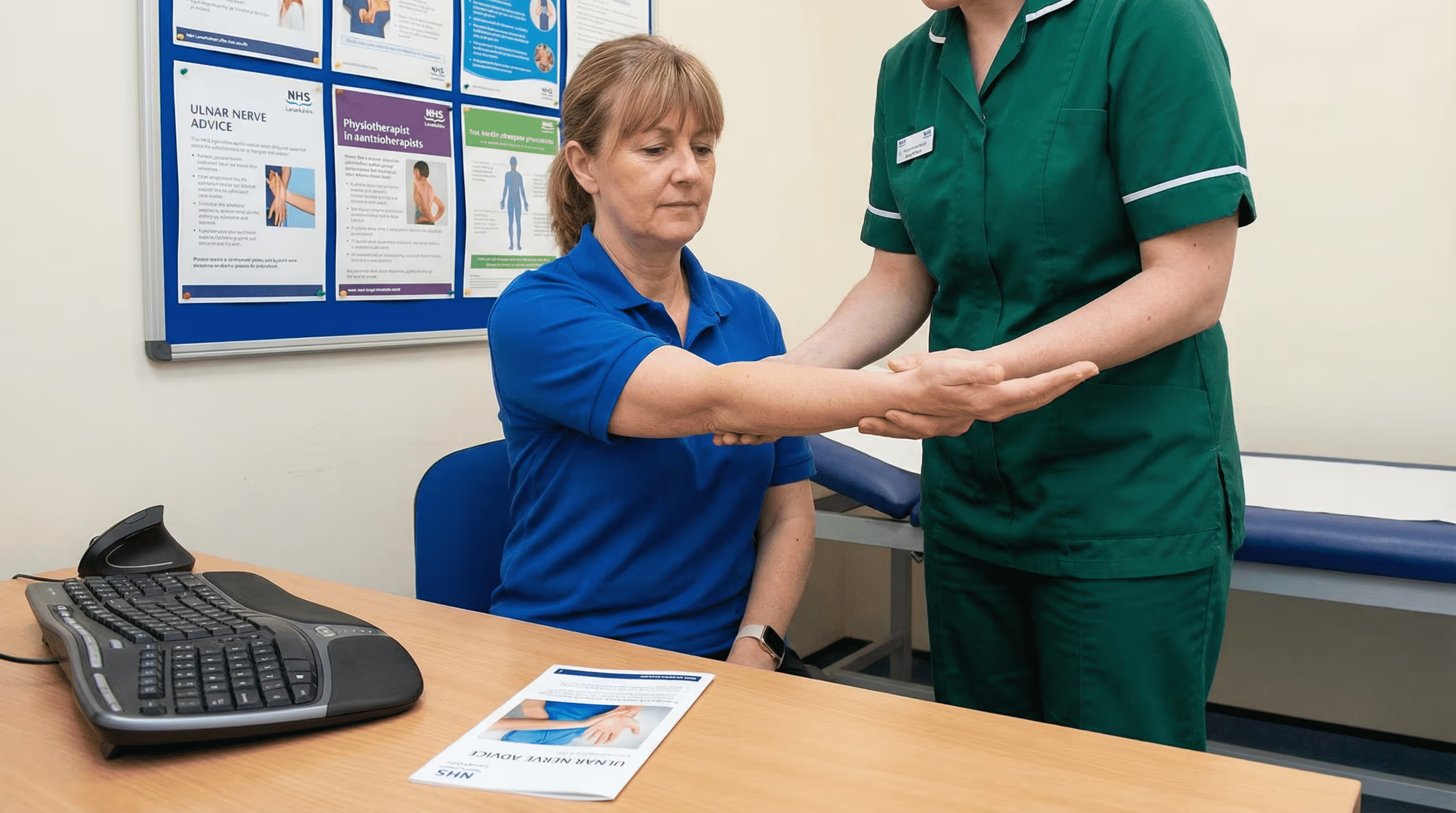
Your pinky tingles while the cursor drifts a millimeter past the button you meant to click. You shake your hand, flex your elbow, and hope the buzz fades before your next edit render finishes. If this sounds familiar, you're the person NHS-style protocols were written for, and yes, ulnar nerve entrapment exercises can help you calm symptoms and protect your hands. Below is a practical, story-level walkthrough you can use at your desk today, plus ergonomic moves that make the relief last.
1. Seated Ulnar Nerve Slider (Gentle Flex-And-Release)
How To Do It
Lead with alignment, then move with ease. Sit tall, shoulders relaxed. Raise your affected arm to shoulder height with your elbow bent 90 degrees, palm up, wrist gently extended. Slowly tilt your head away from that arm as you extend your elbow, keeping your palm facing the ceiling. Then return to the start, smooth and unhurried. This is one of the core ulnar nerve entrapment exercise protocols describes as a gentle nerve slider.
Reps, Sets, And Sensations To Expect
Work for 30 seconds, 2–4 times per day. Expect a mild, spreading pull toward the ring and little fingers, that's acceptable gliding, not damage. Keep breath easy: inhale to prepare, exhale as you extend, and pause for a soft count of one before you glide back. If symptoms warm up then settle within minutes, you're loading at the right level for a nerve glide.
When To Stop And Seek Care
Sharp pain, electric bursts, or symptoms that linger more than 30 minutes after a set mean you did too much. Scale back range or frequency. If night pain ramps up or hand weakness appears, stop and contact a clinician. NHS guidance around cubital tunnel symptoms aligns with these rules of thumb (Cubital Tunnel Syndrome, NHS, 2023).
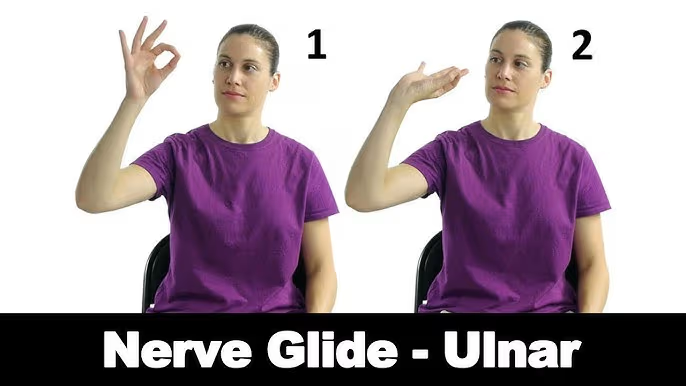
2. “OK Sign” Ulnar Nerve Floss With Head Tilt
Step-By-Step Positioning
Make an "OK" sign with your thumb and index finger. Keep a soft elbow bend. Bring your hand up and slightly behind your shoulder so your palm faces the ceiling. Gently straighten the elbow as you tip your head away, then reset. Keep it silky, think flossing, not forcing. This variation pairs well with other ulnar nerve entrapment exercises for cubital tunnel relief.
Common Mistakes To Avoid
Don't push into stinging pain. Don't bounce. Cap your work at 15–30 reps per set, 1–2 sets, to avoid nerve irritation. If typing later in the day reliably flares you, perform this floss in the hour before heavy keyboard or mouse time to pre‑tune the system.
3. Flexor Carpi Ulnaris And Forearm Flexor Stretch
Dosage And Breath Cues
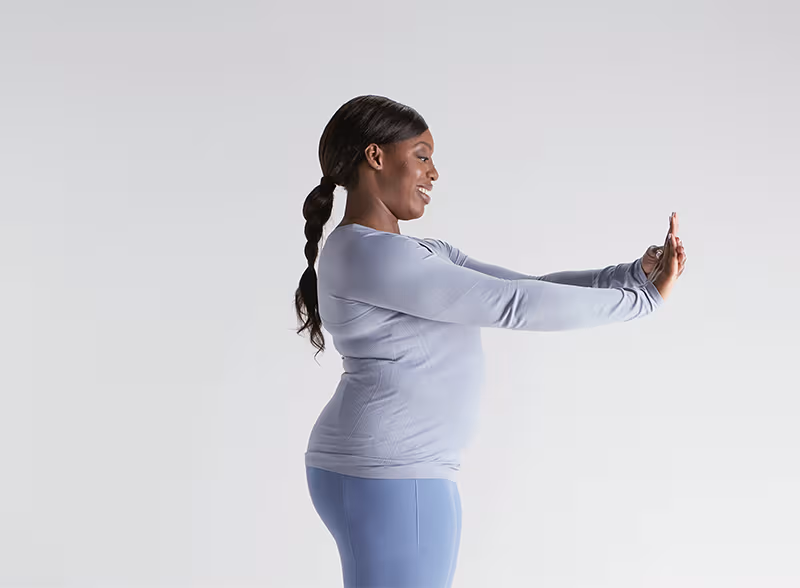
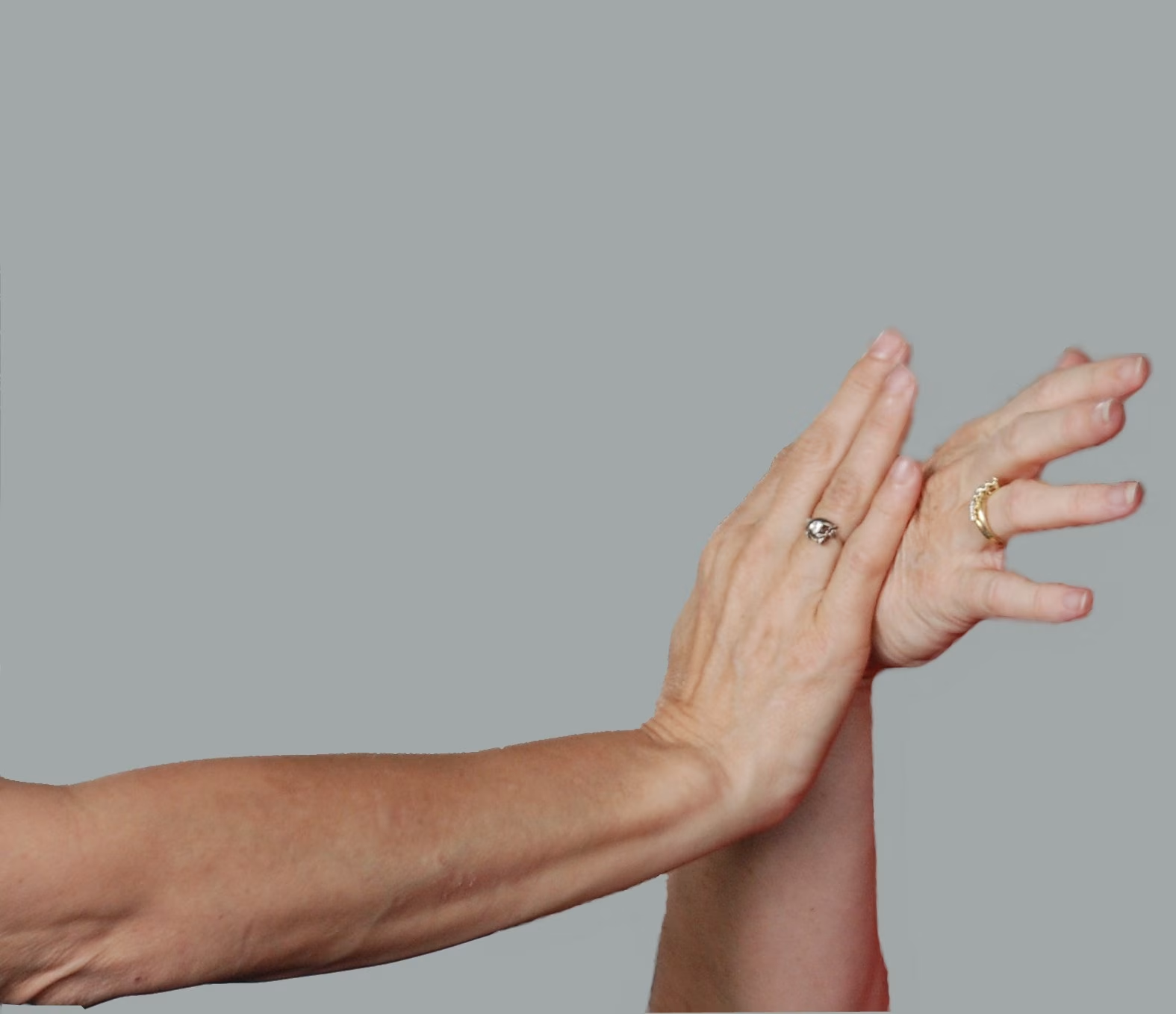
Hold your left arm forward with elbow slightly bent. Extend the wrist (palm away), then use your right hand to gently pull the palm toward you. Hold 15–20 seconds. Breathe low and steady, shoulders heavy. Repeat both sides. Add light forearm massage and stretch holds of 20–30 seconds, 2–3 rounds, up to three times daily. Flexor carpi ulnaris tension often coexists with cubital tunnel symptoms: addressing it complements ulnar nerve entrapment exercise programs.
Modifications For Sensitive Elbows
Keep a permanent soft bend at the elbow. Reduce pull to a 3/10 stretch. Short, frequent sessions (5–10 minutes, four times per day) beat marathon stretches. If morning symptoms are worst, do your first dose before opening your laptop.
4. Thoracic Extension And Pec Doorway Stretch (Posture Reset)
Chair-Back Thoracic Extensions
Point first: reclaim extension to reduce nerve tension. Sit with your mid‑back against the top of a chair back. Hands cradle your head. On an exhale, lean over the chair edge to open your chest. Three slow reps, twice daily, can ease end‑of‑day tightness that aggravates the ulnar nerve.
Doorway Pec Stretch Angles (Low, Mid, High)
Set forearms on the door frame at low, mid, then high angles. Step through until you feel a front‑shoulder stretch, 20–30 seconds each. Rotate angles to reach both pectoralis major and minor fibers.
Here is a nice tutorial video on doorway pec stretch presented by Precision Movement on Youtube.
Why It Helps: Reducing Forward-Shoulder Compression
Forward shoulders narrow spaces and increase cubital tunnel strain. Opening the chest and extending the thoracic spine improve scapular position and nerve clearance. NHS advice on posture for nerve entrapments supports these resets (Cubital Tunnel Syndrome, NHS, 2023), and they pair well with other ulnar nerve entrapment exercises.
5. Scapular Setting And Desk Low-Row Isometric
Scapular Set: The "Down-And-Back" Cue
Tell your shoulder blades to sit low and wide. Draw them down and back, subtle, no shrugging. Hold 5 seconds, breathe, release. Ten holds, two or three times daily. This sets a stable base for your elbow and improves space for the ulnar nerve.
Desk Or Band Low-Row Hold
Hook a light band to your desk or hold the desk edge, elbows grazing your sides. Pull to a gentle shoulder‑blade squeeze and hold 5–10 seconds. Two sets of 8–10 holds. Keep wrists neutral to avoid extra tension. This slots neatly alongside other ulnar nerve entrapment exercises, great options when you need postural endurance.
Progressions Without Flare-Ups
Increase hold time or band resistance only when symptoms stay quiet during and after sessions. If tingling climbs, step back to scapular sets for 48 hours, then retry with less load.
6. Hand Intrinsic And Grip Isometrics (Ulnar-Side Support)
Finger Abduction With Elastic Loop
Slip a small elastic loop around your fingers. Spread fingers apart against gentle resistance, hold 3 seconds, release. Ten to 20 reps. You're targeting ulnar‑innervated hand intrinsics that stabilize the fifth ray.
Gentle Grip And Pinky Opposition
Open and close the hand for 20–30 reps with a soft foam ball, then lightly press pinky toward thumb for 5‑second holds. These moves recruit muscles that stabilize the elbow‑to‑hand chain.
Pain Rules: Sub‑Symptom Loading
Stop at the first hint of symptom reproduction, hold 3 seconds there, then back off. Nerves respond to calm repetition, not brute force. Combined with ulnar nerve entrapment exercises like nerve glides, these isometrics rebuild capacity without flare‑ups.
7. Desk Microbreak Circuit (60–90 Seconds Each Hour)
The Circuit: Elbow Unbend, Wrist Neutral, Neck Glide
Top line: reset often. Each hour, unbend and re‑bend your elbow 20–30 times with a thumbs‑up grip, set wrists to neutral for 10 slow breaths, then glide your neck away from the symptomatic side. The entire circuit takes 60–90 seconds and stacks perfectly with a quick water trip.
Ergonomic Tweaks: Centered Pointing, Keyboard Position, Armrests
Centered pointing lowers reach, which lowers strain. Contour Design® builds tools to make this effortless. A RollerMouse keeps control in front of you, no reaching, twisting, or gripping, so your elbows rest open and neutral. SliderMouse Pro feels familiar if you love a touchpad, again centered to reduce cubital tunnel stress. UniMouse lets you dial in the exact angle your forearm likes, while the compact Balance Keyboard pulls the mouse zone closer, trimming reach on both sides. These ergonomic changes amplify the effect of ulnar nerve entrapment exercise routines: less compression, more relief.

Timers And Habit Stacking
Set an hourly chime or use calendar nudges. Tie the circuit to existing anchors, after sending a build, before a meeting, when the editor exports. The easier the cue, the more consistent the practice. NICE also endorses frequent posture changes for work‑related upper limb problems (Work-Related Upper Limb Disorders, NICE, 2019).
8. Two-Week Progression Plan (Load, Posture, Recovery)
Week 1: Calm The Nerve, Restore Motion
Keep it gentle. Prioritize sliders/flossing, thoracic extensions, and pec stretches. Two to four mini‑sessions a day, 5–10 minutes each, with 10–15 reps per exercise. If evening typing spikes symptoms, front‑load sessions in the afternoon. NSAIDs and ice may help some people if appropriate for you: check a clinician first (Cubital Tunnel Syndrome, NHS, 2023). This is the foundation phase of ulnar nerve entrapment exercise protocols.
Week 2: Build Tolerance, Extend Work Bouts
Add hand intrinsics and light grip work. Nudge reps toward 20–30 if symptoms stay calm. Extend work intervals by 15–30 minutes between microbreaks only if your after‑work symptoms don't rise. Keep pointer and keyboard centered to maintain open elbows, Contour devices make this feel natural and repeatable during long sessions.
Red Flags And Referral Triggers
If tingling intensifies, strength drops (key pinch, grip, finger abduction), or symptoms last longer than 30 minutes after exercise, get a physiotherapy review. Persistent night pain, muscle wasting in the hand, or sudden loss of coordination warrants timely medical attention. When conservative ulnar nerve entrapment exercise strategies don't help after 2–3 weeks, ask about imaging, splinting, or referral (BMJ Best Practice: Cubital Tunnel Syndrome, BMJ, 2024).
Conclusion
You spend serious hours at your desk. Relief comes from two levers you control: frequent, gentle nerve glides and a workstation that doesn't compress your elbows. Blend the sequences above, the same spirit as ulnar nerve entrapment exercise guidance, with a centered pointing setup: RollerMouse or SliderMouse Pro in front of you, UniMouse tuned to your angle, Balance Keyboard keeping reach tight. Less movement, less strain, more all‑day comfort. Contour Devices. Work miracles.
External sources named above: Cubital Tunnel Syndrome (NHS, 2023): Work-Related Upper Limb Disorders (NICE, 2019): Cubital Tunnel Syndrome (BMJ Best Practice, 2024). This article is general information, not medical advice, see a clinician for diagnosis and personal care.
Key Takeaways
- Start with gentle nerve glides like the Seated Ulnar Nerve Slider and the “OK sign” floss for 30 seconds, 2–4 times daily, allowing only a mild pull toward the ring and little fingers as recommended in ulnar nerve entrapment exercises NHS guidance.
- Reset posture daily with thoracic extensions, doorway pec stretches, and scapular setting or low‑row isometrics to reduce forward‑shoulder compression and improve space for the ulnar nerve.
- Use sub‑symptom loading for flexor forearm stretches and hand intrinsic/grip isometrics: keep elbows softly bent, stop at the first hint of symptom reproduction, and favor short, frequent sessions.
- Run an hourly 60–90 second microbreak circuit and adopt centered pointing with a close keyboard and supported forearms to keep elbows open and cut cubital tunnel strain, a core theme in ulnar nerve entrapment exercises NHS protocols.
- Follow a two‑week plan—Week 1: calm the nerve and restore motion; Week 2: build tolerance and extend work bouts—and seek care if pain sharpens, weakness appears, or symptoms last over 30 minutes after exercise.
Frequently Asked Questions
What are the key ulnar nerve entrapment exercises NHS-style programs include?
Common NHS-style options include a seated ulnar nerve slider (gentle elbow extension with the head tipped away), the “OK sign” ulnar nerve floss, forearm flexor/FCU stretching, thoracic extension and doorway pec stretches, scapular setting/low-row isometrics, and light hand intrinsic and grip work. Keep movements smooth, sub-symptom, and avoid bouncing.
How often should I do ulnar nerve entrapment exercises NHS guidance suggests?
Perform nerve glides for about 30 seconds, 2–4 times daily, and consider hourly microbreaks: unbend/re-bend the elbow, set wrists neutral, and glide the neck. Add short posture resets and gentle forearm stretches 2–3 times daily. Increase only if symptoms remain calm during and settle within minutes after sessions.
When should I stop exercises and see a clinician for cubital tunnel symptoms?
Stop if you feel sharp or electric pain, or if tingling or numbness lasts more than 30 minutes after a set. Night pain, hand weakness, or coordination loss warrants timely review. If consistent ulnar nerve entrapment exercise strategies don’t help after 2–3 weeks, ask about splinting, imaging, or referral.
Does sleeping position affect ulnar nerve entrapment, and how should I sleep?
Yes. Prolonged elbow flexion compresses the ulnar nerve. Sleep with the elbow more open (about 30–45° flexion), avoid tucking arms under the head, and try a towel wrap or soft night splint to limit deep bending. Keep wrists neutral and avoid direct elbow pressure on firm surfaces.
Are elbow braces or splints useful alongside ulnar nerve entrapment exercises?
Nighttime elbow-extension splints can reduce nerve irritation by preventing prolonged bend. Many clinicians suggest a short trial (2–6 weeks) with gentle ulnar nerve entrapment exercise glides during the day. Choose a comfortable, adjustable brace that limits excessive flexion without forcing full straightening, and review fit with a professional.
