

5 Best Ulnar Nerve Entrapment Exercises For Desk Workers

Ulnar nerve entrapment exercises can turn that sharp, ring‑and‑pinky tingle into calm, steady hands you can trust. When your elbow rests on the chair arm for too long, a fizzing numbness creeps down your forearm as you reach for the mouse. You shake it off, flex your fingers, and try to focus, but the sensation keeps stealing your attention. With a few precise moves and a smarter desk setup, you can reduce irritation, keep your wrists neutral, and stay productive without the ache.
1. Ulnar Nerve Glide (“Glasses”/“OK” Glide) For Cubital Tunnel Relief
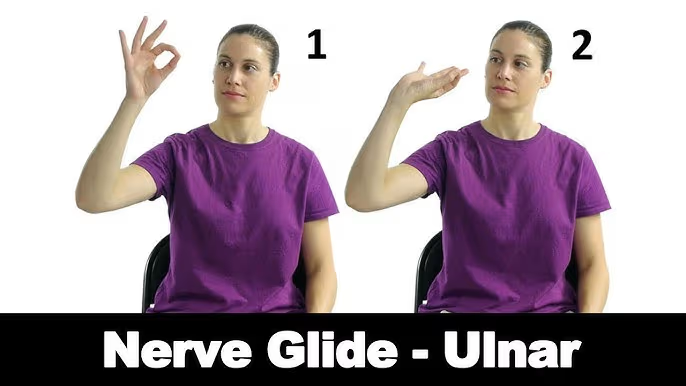
How To Do It
Start gentle. Extend your arm out to the side at shoulder height, palm up. Bend your wrist toward you: then bend your elbow slightly and tilt your head away from the extended arm. You should feel a light, spreading pull along your forearm into the ring and little finger, never sharp pain. This "OK/glasses" glide helps the ulnar nerve slide within its sheath, reducing stickiness at the cubital tunnel.
Pro tip: Lower the arm if symptoms spike. The goal is a calm, gliding sensation, like flossing the nerve, not stretching a muscle.
You can get a detailed tutorial at AskDoctorJo's channel.
Reps And Frequency
Hold each end position 15–30 seconds and repeat 3 times per side. Most people do best with 2 short sessions daily. On high‑load days (editing sprint, code freeze), sprinkle in a single set mid‑afternoon to calm irritability.
Safety Cues: No Aggressive Stretch Sensation
Keep movements slow and controlled. If symptoms ramp beyond a 3/10, shorten the range or pause. Avoid jerky motions and long end‑range holds. Evidence supports gentle neural mobilization as part of conservative care: the key word is gentle (OrthoInfo: Cubital Tunnel Syndrome, American Academy of Orthopaedic Surgeons, 2023).
2. Gentle Elbow Flexion–Extension AROM To Unload The Nerve
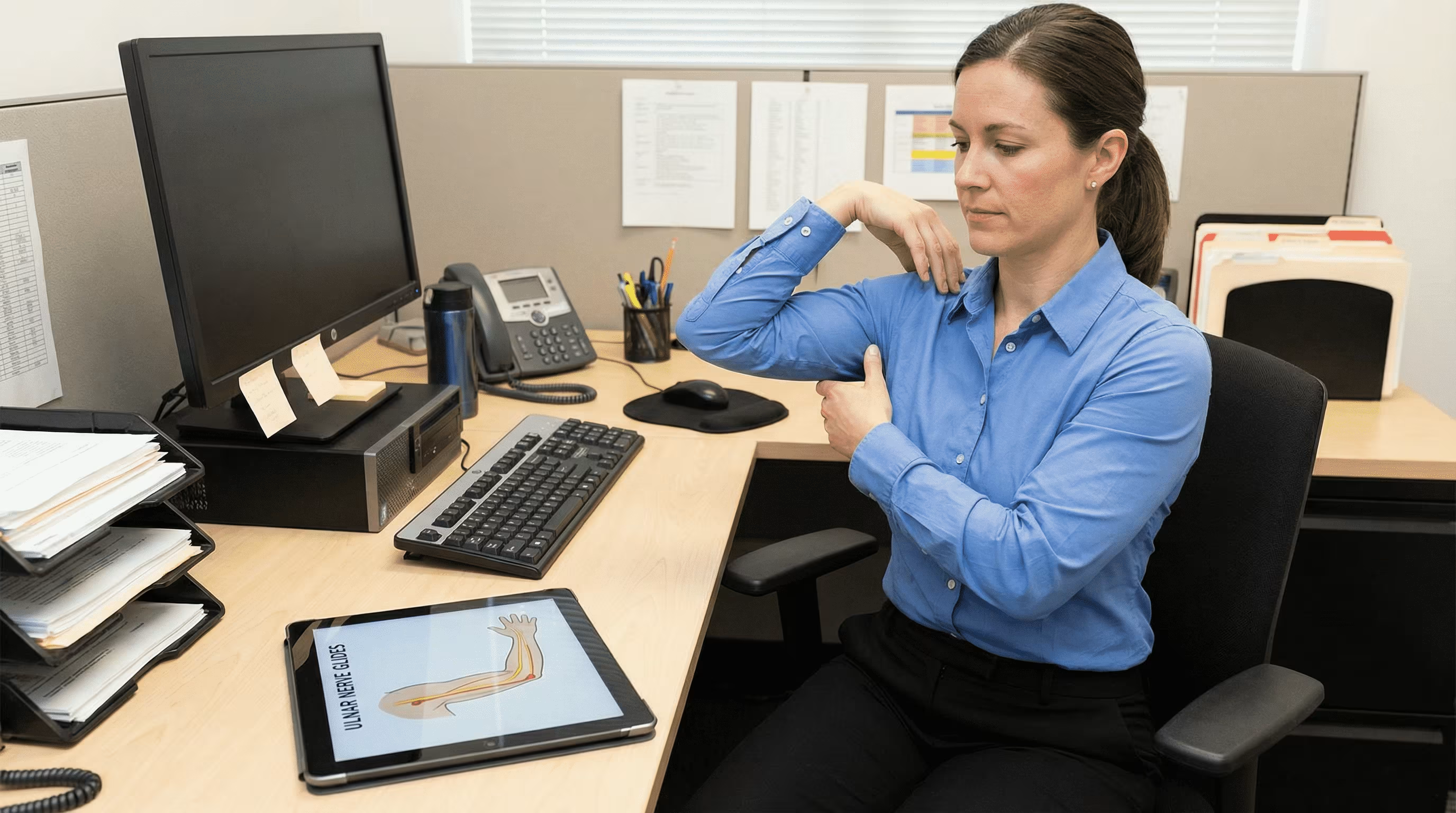
Desk Setup And Position
Sit tall with both feet grounded. Reach the affected arm out to the side at shoulder level, palm facing the floor. Extend your wrist (fingers up), then bend your elbow and bring your hand toward your shoulder. Think smooth arcs, no pinching at the inside of the elbow. This rhythm restores circulation around the nerve and reduces pressure at the cubital tunnel when you've been bent for hours.
Dosage And Progression
Start with 5 slow reps to test irritability, then build toward 20–30 reps at a conversational pace. Breathe evenly. If the nerve settles, add a second set later in the day. On flare days, do smaller, pain‑free arcs more often. Consistency beats intensity here (NHS Inform: Cubital Tunnel Syndrome, 2023).
3. Wrist Flexor Stretch (With Supination) To Ease Ulnar-Side Tension

Step-By-Step
Extend the affected arm forward, elbow straight, palm down. Supinate so the palm turns up. With the other hand, gently bend the wrist back (fingers toward the ceiling) until you feel a mild stretch on the forearm's underside and into the ulnar side of the hand. Hold 20–30 seconds, 2–3 times. Keep the shoulder low and away from your ear.
Common Mistakes To Avoid
Don't crank on the wrist. If your ring and little finger feel more electric than stretchy, back off. Keep your head neutral, no side bending to "cheat" extra range. And avoid pressing the elbow against a hard desk edge while you stretch: that can compress the nerve at Guyon's canal near the wrist (A Clinical Perspective on Nerve Gliding Exercises, Journal of Hand Therapy, 2016).
4. Hand Intrinsics Reset: Finger Abduction/Adduction And Light Grip
Why It Helps (Interossei And Hypothenar Balance)
When the ulnar nerve is irritated, the small muscles that spread your fingers (interossei) and the hypothenar group can feel weak or clumsy. Light activation restores blood flow, improves motor control, and can reduce protective tension in the forearm. Think "precision, not power."
How To: Rubber Band And Putty Options
- Finger abduction/adduction: Place a light rubber band around your fingers. Open the hand wide for 2 seconds, then close with control. Do 10–15 reps, 1–2 sets.
- Soft putty or stress ball: Gentle squeezes, 2 seconds on, 2 seconds off, for 10–15 reps. Keep the wrist neutral and the thumb relaxed.
- Open‑close rhythm: No tools needed. Open the hand fully, then make a soft fist. 20–30 easy reps while your code compiles or a video renders.
If tingling climbs past mild, reduce the resistance or swap to range‑of‑motion only. Research suggests targeted strengthening can complement symptom relief when dosed conservatively (AAOS OrthoInfo, 2023). If you'd like to explore more about Intrinsic and Extrinsic tightness of the hand, here is a good educational video presented by Dr. Nabil Ebraheim.
5. Scapular Set And Neck Glide To Improve Nerve Mobility Upstream

Form Cues (Tall Sternum, Soft Ribs)
Your neck and shoulder posture changes tension along the entire ulnar nerve path. Sit tall. Imagine a string lifting your breastbone while your lower ribs stay soft. Slide your shoulder blades gently back and slightly down, no pinching. Hold for 5 breaths.
Next, perform a neck glide: keep your face level and draw your head straight back as if making a double chin. Hold 2 seconds, relax 2 seconds. Do 8–10 reps. You're reducing neural tension from the cervical spine down to the elbow.
Breath And Cadence
Inhale through the nose, slow exhale through the mouth. Match motion to breath to keep muscles relaxed and avoid bracing. Two to three short sets across the day beat one long grind.
Ergonomics Tip: Keep The Mouse Close, Shoulders Low
Centered control reduces reach, which lowers shoulder tension and nerve load. A RollerMouse keeps pointing directly in front of you, no reaching, twisting, or gripping. Try the RollerMouse Red for precise, low‑effort control. Prefer a traditional grip with adjustability? The UniMouse lets you dial in angle and thumb support so your shoulder stays relaxed and your wrist stays neutral. Contour Devices. Work miracles.

Conclusion
If you spend 6–10 hours at a screen, the right ulnar nerve entrapment exercises, glides, gentle elbow arcs, wrist flexor stretching, intrinsic hand work, posture resets, chest/upper‑back mobility, and microbreaks, can calm symptoms and protect your hands. Layer them with smart ergonomics: neutral wrists, minimal elbow bend at night, and centered, low‑effort pointing so you don't load the nerve with every click. Contour designs tools that make alignment easy, RollerMouse and SliderMouse for centered control, UniMouse for adjustable angles, and the Balance Keyboard for compact reach, so you can work longer without the buzz and burn. Start with one or two moves today, set your microbreak timer, and feel the difference by this time next week.
This article is for general information and not medical advice. If you have persistent numbness, weakness, or muscle wasting, consult a clinician. Helpful references: OrthoInfo: Cubital Tunnel Syndrome (American Academy of Orthopaedic Surgeons, 2023): Cubital Tunnel Syndrome (NHS Inform, 2023): Nerve Gliding Exercises Review (Journal of Hand Therapy, 2016).
Key Takeaways
- Start with gentle ulnar nerve entrapment exercises like the “OK/glasses” glide—15–30-second end-position holds, 3 reps per side, 1–2 sessions daily, keeping symptoms under 3/10.
- Use slow elbow flexion–extension AROM (build to 20–30 reps) to unload the cubital tunnel; on flare days do shorter, pain-free arcs more often.
- Stretch the wrist flexors with the forearm supinated for 20–30 seconds, 2–3 times, and avoid pressing the wrist heel on desk edges near Guyon’s canal.
- Strengthen hand intrinsics with light rubber-band finger abduction/adduction and soft squeezes (10–15 reps, 1–2 sets) while keeping the wrist neutral.
- Improve upstream mobility with a scapular set and neck glide plus a pectoralis minor doorway stretch and chair-back thoracic extension to reduce neural tension.
- Follow a 30–60 second microbreak every 30 minutes, use a towel wrap at night to limit elbow bend, and optimize ergonomics with centered pointing and neutral wrists—these ulnar nerve entrapment exercises and setup tweaks calm symptoms and protect function.
Frequently Asked Questions
What are the best ulnar nerve entrapment exercises to start with?
Begin with gentle neural mobilization. Try the ulnar nerve glide (“OK/glasses” glide), slow elbow flexion–extension arcs, and a light wrist flexor stretch with the elbow straight and forearm supinated. Add easy hand intrinsic work (rubber band finger spreads, soft squeezes). Aim for calm gliding sensations—not aggressive stretching or pain.
How often should I do ulnar nerve glides for cubital tunnel syndrome?
Most people do well with two short sessions per day, repeating each glide 3 times and holding end positions 15–30 seconds. On high‑load days, add a brief mid‑afternoon set. Keep symptoms below 3/10, move slowly, and avoid long end‑range holds. Consistency and gentleness beat intensity.
Can I do ulnar nerve entrapment exercises at work without special equipment?
Yes. Use 30–60‑second microbreaks every 30 minutes: a few ulnar nerve glides, a brief forearm “prayer” stretch with elbows low, and slow wrist circles. Keep wrists neutral, elbows about 90–110°, and avoid leaning on the ulnar side of the wrist to limit pressure at Guyon’s canal.
When should I modify or avoid ulnar nerve exercises?
During hot flares, go shorter and gentler or focus on posture and breathing. Stop if symptoms exceed a mild 3/10 or produce sharp pain, and avoid jerky motions. After recent shoulder surgery or with instability, keep ranges small. Persistent numbness, weakness, or muscle wasting warrants medical evaluation.
How long do ulnar nerve entrapment exercises take to work, and is this the same as carpal tunnel?
Many notice calmer tingling within 1–2 weeks of consistent, gentle practice; more durable gains often take 4–6 weeks. Ulnar entrapment affects the ring and little fingers (elbow/wrist), while carpal tunnel involves the median nerve, typically the thumb, index, and middle fingers—different nerves and strategies.
